
Intentional Teaching: Capturing a Teachers Process
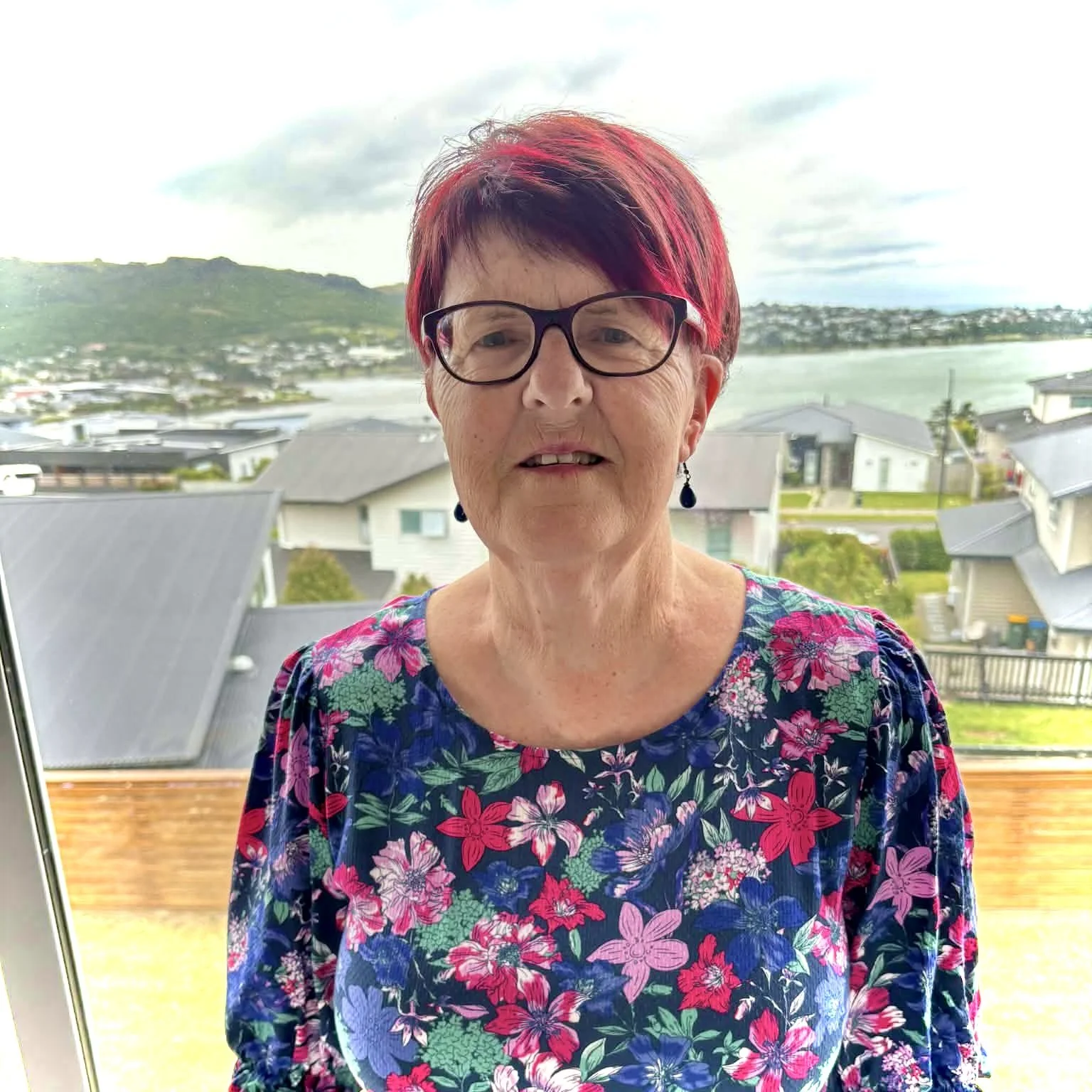
Deirdre van Duyl is a long time kaiako at Daisies EECC with many years of teaching experience in Aotearoa, New Zealand. Although there is no ‘one way’ to engage in intentional teaching, Dee, inspired by Reggio Emilia practices and her ongoing learning, has honed her intentional teaching over the years. She shares with us part of her daily process for engaging the tamariki in intentional teaching and learning.
I have always been an advocate and totally passionate and enthusiastic about my role in intentionally teaching all our tamariki.
Tamariki are individuals with their own talents and interests and wonderings before they are part of a group.
Once I have noticed what a tamaiti is interested in or wondering about, I then have a process that I use every time to see how I can respond to, support, and take their learning further.
Every morning, I arrive with a proposal in mind either for one tamaiti or a group of tamariki.
My Process
I put ngā tamariki pātai, or what they are interested in, on the ‘proposal board’ that is kept in the hallway. This demonstrates to the tamaiti and the whānau that they are valued as individuals and that we as kaiako take their learning seriously.
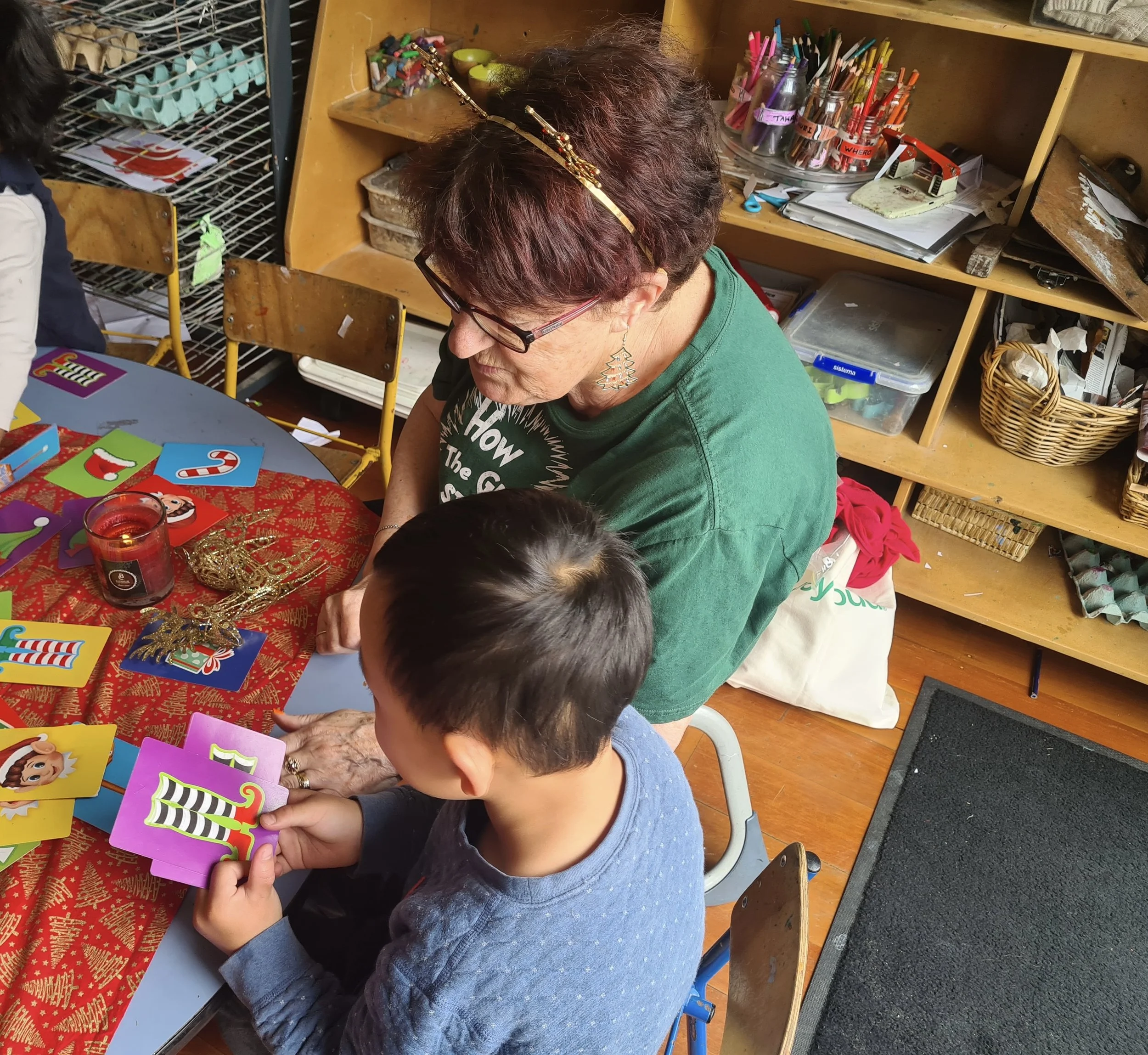
Once we have a patai, I plan a time that works for us all to have a hui with that child and any others who may have the same wonderings or are interested to see what we are doing. While engaged in an intentional teaching hui ako, I am truly present with the tamariki involved and trust that other kaiako will support other tamariki.
I begin by inviting the tamariki to share what they know about the patai. This is by videoing them and then playing each video back. The tamariki are very familiar and comfortable with this process. Over time the momentum and enthusiasm of the tamariki grows and our group will grow in numbers. One child’s patai or interest will ignite the curiosity of others. I am always in awe of the remarkable things that can happen when I’m working with a group of tamariki investigating topics that fascinate them.
Once we have shared what we know we work together using pukapuka and/or the internet as research tools to either refine what we know or gain new knowledge. If I don’t have resources of my own, I will go to the library. It is important for the tamaiti to direct their own learning, so I never know where this part of the process will lead us or how long it will take. I also set up a table with provocations linked to our learning for the tamariki to explore both during our hui ako and beyond.
During the process I invite the tamariki to explore other ways to express what they know about the patai. Recently this has been through the art mediums of clay and representational drawing. I have found drawing is vital to any investigation.
Once we have explored this process, we come together to share our new knowledge.
When I’m facilitating a small group of tamariki I am guided and influenced by the Reggio Emilia pedagogy of Progettazione, in particular Principle 8…
“The education action takes shape by progettazione which is a process of planning and designing.
the teaching and learning activities,
the environment,
the opportunities for [children’s] participation and
professional development …
and not by means of applying a pre-defined curriculum.”
Reggio Emilia pedagogy uses the socio-constructivist theory and always forms a part in my intentional teaching. It is also influenced by the theory of Lew Vygotsky. He states that children and adults co-construct their knowledge through the relationships that they build with other people and the surrounding environment.
My last two hui have been sparked by a child’s interest in wanting to know whether mosquitos are good for the environment and wanting to learn more about camouflage and stick insects. This child had pukapuka of their own that I invited them to bring and share at our hui.
There are multiple ways that I document these intentional teaching experiences and the children's learning and curiosity. These include wall displays, and learning journal narratives, which can contain the video footage from our hui, accurately conveying the children’s thinking and ideas in their own words.
Written by Deirdre van Duyl
Glossary of te reo Māori Kupu (words):
Tamariki - Children
Tamaiti - Child
Ngā - plural
Kaiako - Teacher
Pātai - Question
Whānau - Family
Hui - Meeting
Hui ako- Learning Meeting
Pukapuka- Book